




 0884434555
Small Blocks, Smarter Homes: Making the Most of Narrow Lots in Adelaide
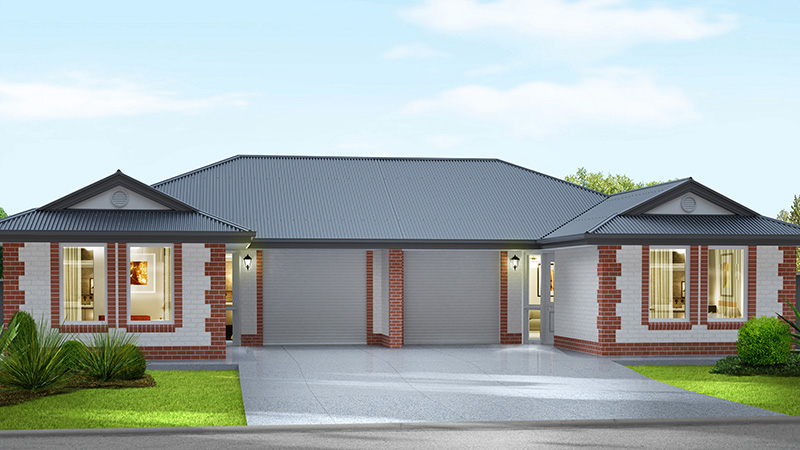
There’s a moment almost every buyer of a narrow block has: standing on the land, tape measure in hand, wondering if a “proper” home is even possible on a strip this size. It’s an understandable worry. A narrow lot conjures up images of dark hallways, cramped rooms, and a backyard barely big enough for a clothesline. But walk through the right narrow block home once it’s built, and that worry usually disappears within the first few steps inside. Take a couple who recently found their dream street, walking distance to school, five minutes from the café strip they’d been visiting for years, but the only block available was just under 10 metres wide. Their first instinct was to keep looking elsewhere.
Their second, after talking it through with a builder, was to ask what could actually be done with the site. That question is becoming more common across Adelaide’s established suburbs, where narrow and small blocks are less of an exception and more of the norm. Older, larger allotments are being subdivided, infill sites are opening up close to schools and cafés, and buyers are increasingly choosing a smaller, well-located parcel over a bigger one further out. The result: more and more homeowners are asking whether a tight site can really deliver the space, light, and flow of a full-sized family home. With the right design, the answer is yes.
Why Narrow Blocks Are Becoming So Common
A generation ago, a narrow allotment was often seen as a compromise — the leftover parcel nobody really wanted. Today, it’s frequently the smart choice. Established suburbs simply don’t have many wide blocks left to build on, and the ones that do come up carry a premium most buyers aren’t willing to pay. Meanwhile, subdivision has opened up pockets of land close to transport, schools, and shops that would otherwise be out of reach.
For a lot of buyers, the trade-off is an easy one to make: a smaller footprint in a suburb they love, over a bigger block somewhere they’d have to start from scratch, socially and practically.
The Myth of the “Compromised” Home
The biggest misconception is that square metres in the ground automatically translate to comfort inside the home. In reality, how a home is designed matters far more than how wide the site is. A poorly planned home on a generous block can feel cramped and awkward, while a well-designed home on a tight lot can feel open, light-filled, and effortless to live in.
This is where working with experienced house builders in Adelaide makes the real difference, not just fitting a floorplan onto a site, but designing specifically around the constraints and opportunities a narrow allotment presents.
Design Moves That Make Narrow Lots Work
Good design doesn’t fight a narrow block; it works with it. A handful of deliberate moves make the real difference between a home that feels squeezed and one that feels genuinely spacious.
When width is limited, height becomes one of the most valuable tools available. A second storey, a raked ceiling, or even a void over a stairwell can make a compact home feel dramatically more spacious than its footprint suggests.
Letting Light In From Unexpected Places
Smaller side setbacks can limit conventional window placement. Skylights, high clerestory windows, and internal light wells solve this by drawing natural light deep into the centre of the home — the areas that would otherwise rely entirely on artificial lighting.
Open-Plan Living Without the Guesswork
Removing unnecessary internal walls allows sightlines to travel further, making even a modestly sized living area feel considerably bigger, especially on a narrow footprint, where every square metre needs to work harder.
Storage That Doesn’t Eat Into Living Space
Under-stair cavities, built-in joinery, and slimline cabinetry mean storage doesn’t have to compete with living space. On a tight site, clever storage design is often the difference between a home that feels cluttered and one that feels calm.
Outdoor Space That Still Feels Like an Escape
A narrow lot doesn’t rule out outdoor living; it just changes what it looks like. A compact courtyard, a rooftop terrace, or a linear alfresco zone running along the side of the home can still provide a genuine outdoor retreat, without needing a sprawling backyard.
The Financial Upside of Building Small and Smart
Beyond the practical design wins, there’s a financial case too. A smaller footprint generally means a smaller build cost, lower material use, and reduced ongoing maintenance. It also tends to mean better energy efficiency, since a compact, well-insulated home is simply easier to heat and cool than a sprawling one. For many buyers, working with custom home builders Adelaide locals trust ends up delivering more home per dollar than a larger block further from the amenities they actually use day to day.
Why Location Still Wins
Ask most narrow block buyers why they didn’t simply look for a bigger block elsewhere, and the answer almost always comes back to location. Being close to schools, work, family, and the everyday rhythm of a familiar suburb tends to matter more than an extra few metres of yard. A tight site in the right suburb often outperforms a wide block in the wrong one, simply because of what surrounds it.
Working With Builders Who Understand Narrow Sites
Not every builder approaches these projects the same way. It takes a particular kind of design thinking to avoid the long, dark “shotgun corridor” layouts that give narrow homes a bad reputation, and to instead create a floorplan that feels considered from the front door to the back fence. Buyers exploring new home builders in Adelaide for a compact block should look for a team with genuine experience designing for tight sites, not simply shrinking a standard display home design to fit.
Is a Narrow Block the Right Fit for You?
A narrow block build is worth serious consideration if:
- You’ve found a block in a suburb you love, but it’s smaller or narrower than you expected
- You’d rather build close to schools, work, and community than move further out for extra land
- You want a home designed specifically around your site, not a generic floorplan squeezed into place
- Natural light, storage, and flow matter more to you than raw square metreage
FAQs:
What counts as a narrow block in Adelaide?
Definitions vary, but blocks under around 12.5 metres wide are generally considered narrow, with some infill sites coming in significantly tighter than that.
Can a narrow block still fit a double garage?
In most cases, yes — though it often requires careful planning around garage placement, sometimes tucking it under the home or to one side rather than across the full frontage.
Do narrow block homes get enough natural light?
With the right design — skylights, clerestory windows, and thoughtful room orientation — narrow block homes can be just as light-filled as homes on wider blocks.
Is it harder to get council approval for a narrow block build?
It can involve some additional considerations around setbacks and overshadowing, but an experienced local builder will already understand these requirements and plan around them from the outset.
Small Block, No Small Compromises
A narrow block was never really the problem; it was always about what gets designed on top of it. With the right layout, the right use of light and height, and a builder who genuinely understands how to make tight sites work, a narrow block can deliver a home that feels every bit as spacious, functional, and liveable as one on a much wider parcel of land.
If you’ve got your eye on a narrow block in a suburb you love, talk to Format Homes about what’s genuinely possible for your site.
